
Indian Sustainable Fashion Week Sees 300% Growth as Eco-Conscious Brands Surge

The fourth edition of India Sustainable Fashion Week (ISFW) concluded in Mumbai on Sunday, drawing 45,000 visitors — a 300% increase from last year — as consumer demand for eco-friendly fashion reaches a tipping point. The event showcased collections from 120 designers who exclusively use sustainable materials, ethical manufacturing processes, and circular design principles.
Key Trends
The dominant trend this season was 'heritage sustainability' — designers reimagining traditional Indian textiles like khadi, ikat, and Chanderi through contemporary silhouettes. Labels like Doodlage (upcycled denim), Pero (organic cotton), and The Summer House (handloom fusion) reported order bookings that were double their capacity, indicating strong retail demand.
Technology played a major role, with several designers incorporating blockchain-based supply chain transparency. Consumers could scan QR codes on garments to trace the entire production journey — from the farm where cotton was grown to the artisan who wove the fabric. This 'radical transparency' approach resonated strongly with Gen Z shoppers who constituted 62% of the event's attendees.
"India's fashion industry is worth $100 billion but creates enormous environmental damage. What we're seeing at ISFW is proof that sustainability and style are not mutually exclusive — in fact, they enhance each other," said fashion journalist and sustainability advocate Bandana Tewari.
Major retailers including Myntra, Tata CLiQ, and Nykaa Fashion have announced dedicated sustainable fashion sections on their platforms, with commitments to stock at least 20% eco-friendly options by 2027. The government's Ministry of Textiles has also announced a certification programme — 'Green Stitch India' — that will verify and label genuinely sustainable fashion products, combating greenwashing in the industry.
Related Articles
 Lifestyle
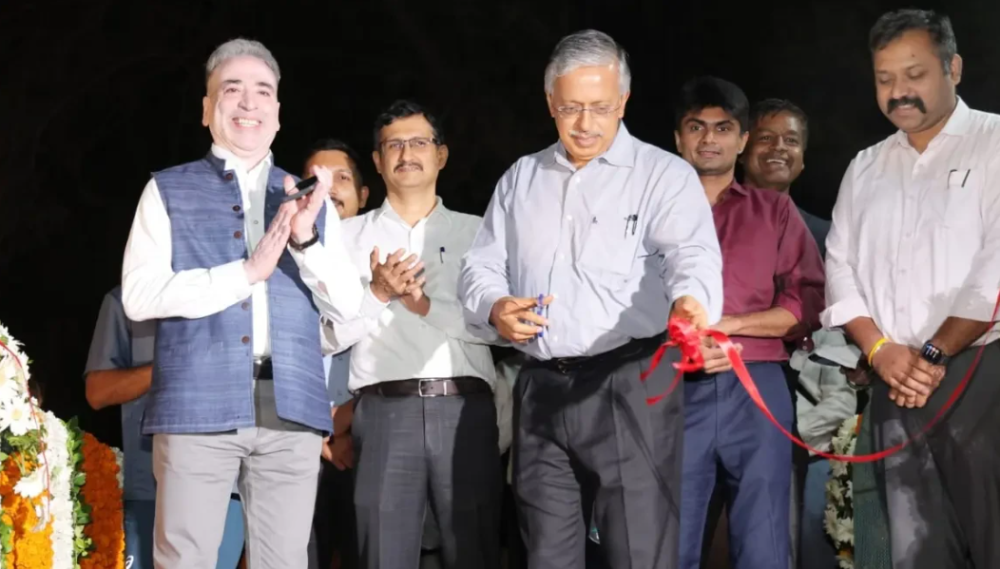
मुख्य सचिव ने आम नागरिकों को सौंपा यूपी का सबसे बड़ा स्केट पार्क, एक ही जगह मिलेंगे कई खेलों के विकल्प
लखनऊ में शुरू हुआ स्केट पार्क न केवल यूपी का सबसे बड़ा स्केट पार्क है, बल्कि यह शहर में स्ट्रीट स्पो...
 Lifestyle
India's First Bullet Train on Mumbai-Ahmedabad Route Begins Test Runs
India's bullet train hits 320 km/h in test run on Mumbai-Ahmedabad corridor, with project 78% c...
 Lifestyle
Remote Work Revolution: 40% of Indian IT Workers Now Permanently Work from Home
NASSCOM survey reveals 40% of India's IT workforce now permanently remote, triggering reverse m...
 Lifestyle
Plant-Based Meat Revolution: India's Vegan Food Market Hits $1 Billion
India's vegan food market crosses $1 billion at 35% annual growth, with homegrown brands GoodDo...
Comments
No comments yet. Be the first to share your thoughts!
Leave a Comment